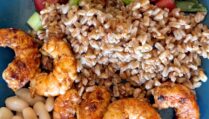

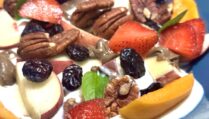
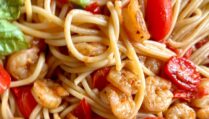
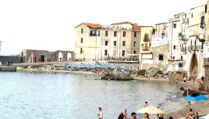




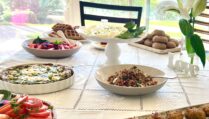
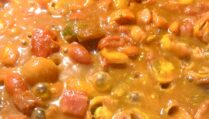

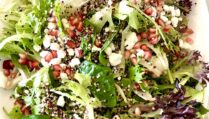

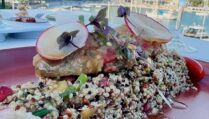
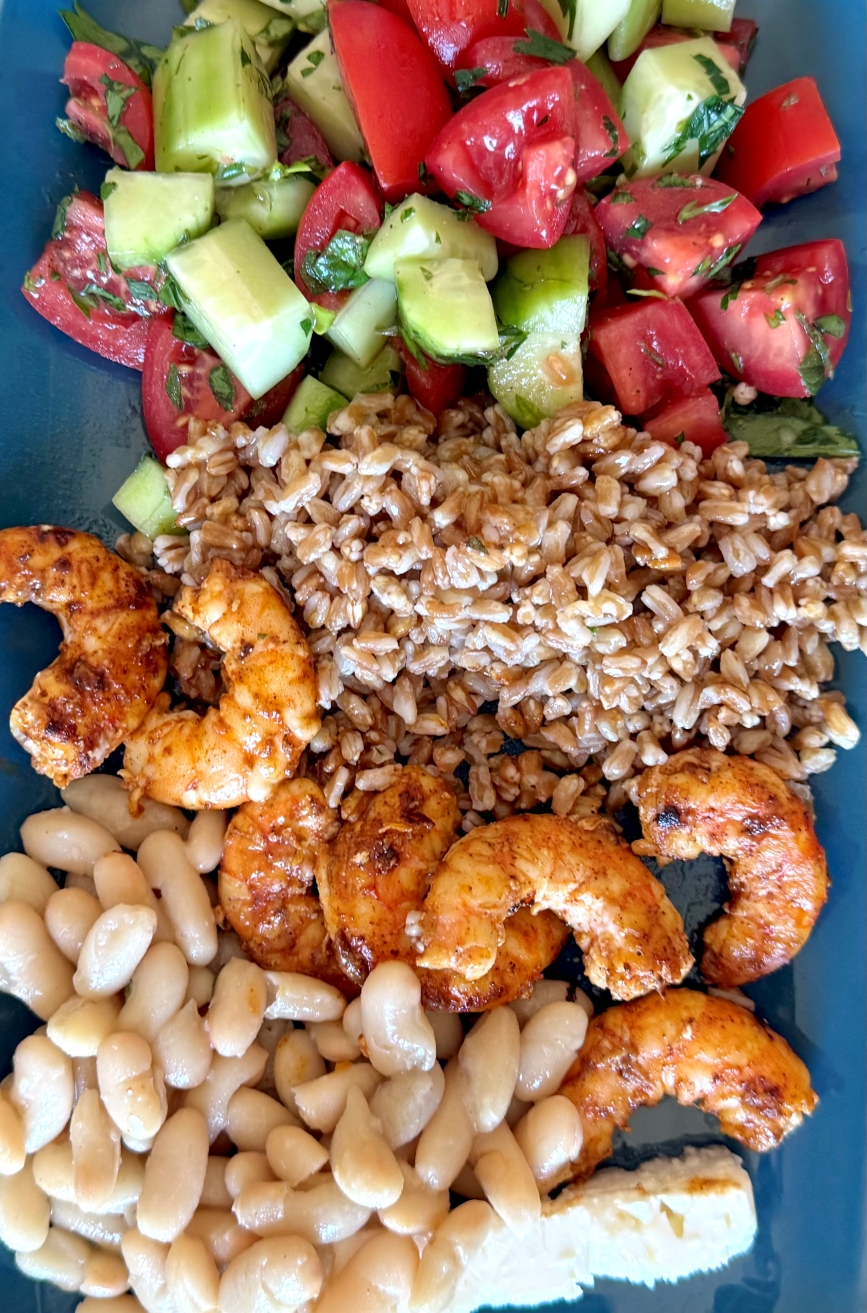
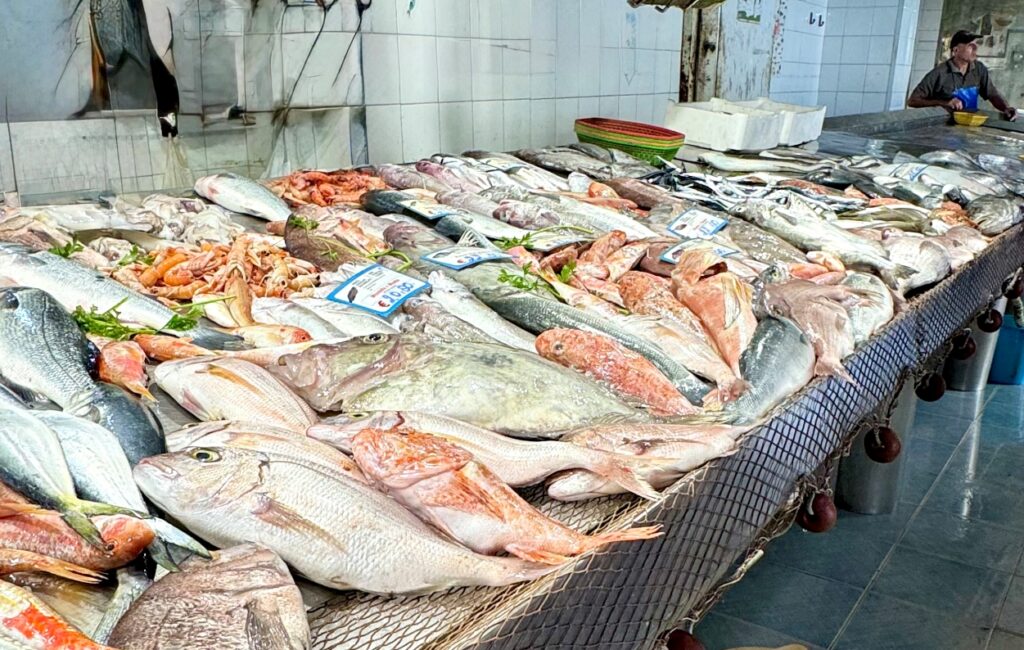
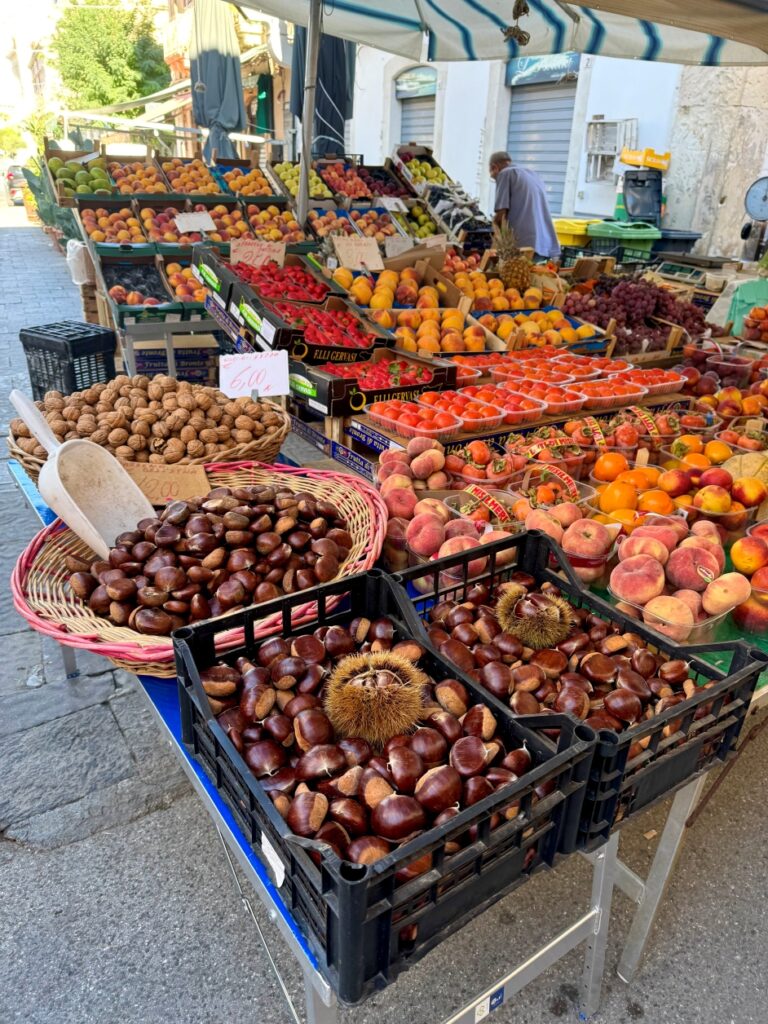
My Sweetheart and I are enjoying summer eating in Sicily, and this free 10-day meal on Mediterranean Diet is a sampling of our meals. The daily rhythm of the Mercato di Ortigia, where fresh fruits, vegetables, and just-caught seafood set the foundation for every meal. It is one of my favorite places to start my mornings and inspires our menu. The 10-day meal plan focuses on whole foods, seasonal produce, legumes, whole grains, olive oil, fish, and chicken.
I am not a dietitian or a nutritionist. I am an avid fan of the Mediterranean Diet and a home chef. Below, I share the principles that I used when creating this meal plan. If you would rather skip directly to the menu, click here.
Mediterranean Diet Principles on this 10-day Meal Plan
This meal plan is specifically for summer eating, when food is naturally lighter and based on seasonal availability. Meals are fresh, light, and practical for warm-weather cooking spending minimal time in the kitchen. There is also an emphasis on buying what is fresh and in season where you live. Seasonal food is the Sicilian way of eating and the foundation of the traditional Mediterranean diet. Eating seasonally means working with what is available at the market each day, choosing ingredients at their peak. Let seasonality guide the menu rather than forcing out-of-season foods.
This Mediterranean diet meal plan follows the traditional principles of Mediterranean eating patterns as observed in Southern Italy and Sicily.
The foundation includes:
- Vegetables at every meal
- Daily legumes such as beans, chickpeas, lentils, and fava beans
- Whole grains including farro, barley, couscous, oats, quinoa, and whole wheat pasta
- Olive oil as the primary added fat
- Fish and seafood regularly throughout the week
- Poultry and eggs in moderate amounts
- Sheep and goat cheese for added richness
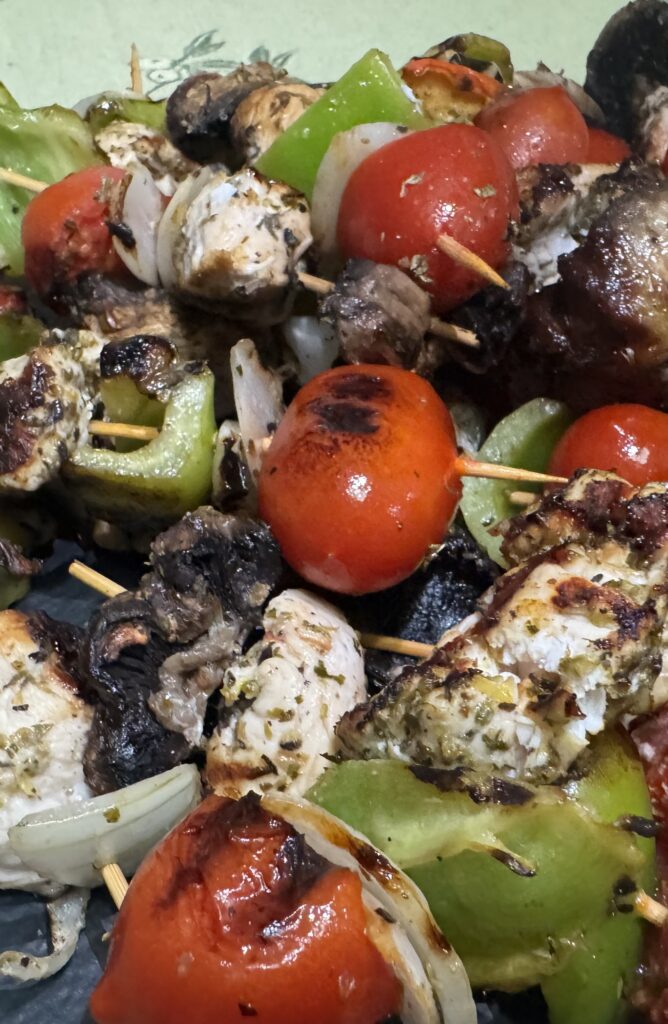
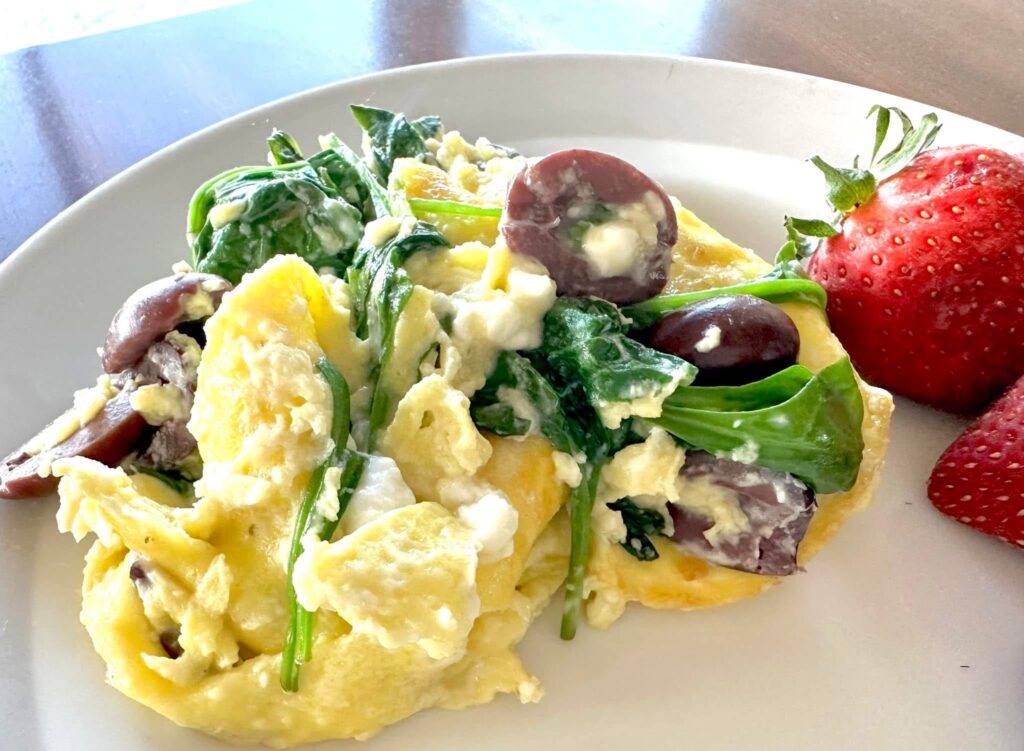
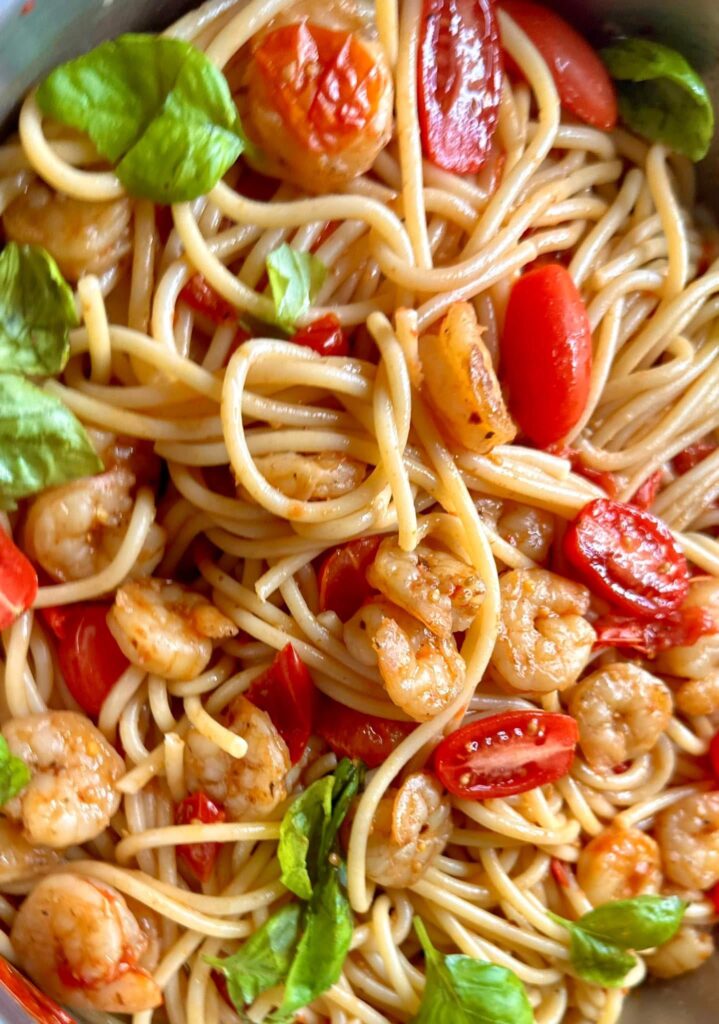
Summer Eating on the Mediterranean Diet
The Mediterranean Diet reflects a way of eating what is fresh, available, and traditional, rather than anything overly processed or modernized. Achieving this balance is easier in the summer – especially in Sicily by the sea.
Healthy Fats in the Mediterranean Diet Summer Eating Plan
All fats are not created equal, and the Mediterranean diet is built on the quality of fat rather than restriction. In this plan, extra virgin olive oil is the primary cooking fat and the main source of added fat in the diet. Extra virgin olive oil provides for both flavor and structure in meals. Nuts and seeds, in appropriate portions, provide healthy fats along with fiber and texture. Fish and seafood contribute naturally occurring omega-3 fatty acids that support heart and metabolic health.
Small amounts of goat and sheep cheese are used primarily for flavor, adding richness without overwhelming the dish. Goat and sheep milk are naturally easier to digest for many people compared to cow’s milk because they have a different protein and fat structure. Goat and sheep cheeses are often small batch produced. This type of production also fits the traditional Mediterranean pattern of eating.
From a culinary perspective, traditional goat and sheep cheeses are also more flavorful and more concentrated than many cow’s milk cheeses. Stronger flavor means you can use smaller amounts to achieve the same impact in a dish. That supports the idea of using cheese as a seasoning rather than a main protein or fat source.
Legumes in the Mediterranean Diet Meal Plan
Legumes are one of the most important foundations of this Mediterranean diet meal plan. Beans, chickpeas, lentils, and fava beans are daily ingredients because they provide:
- Plant-based protein
- High fiber
- Blood sugar stability
- Long-lasting satiety
Beans support weight management because they are naturally high in fiber and resistant starch, which slow digestion and help you stay full for longer after meals. This steady feeling of fullness can reduce the urge to snack. Legumes provide a valuable combination of plant-based protein and fiber, which helps stabilize blood sugar levels after eating. It is helpful to manage weight when one can reducing the spikes and crashes that often lead to unhealthy cravings.
Plant-Based Menu Options
Several meals in this plan are completely plant-based, reflecting traditional Mediterranean eating patterns. Many meals are naturally centered on beans, grains, vegetables, and olive oil without reliance on animal products. The Mediterranean diet studied by Ancel Keys was not created as a structured health program but observed from traditional eating patterns in Southern Italy and surrounding regions and shaped by simple home cooking. Those communities Keys studied had seasonal and local food availability, economic limitations rather than abundance, and limited access to processed foods. As a result, people naturally ate more legumes, vegetables, grains, and olive oil, with smaller amounts of meat and animal fats. The health outcomes reflected this consistent, simple, and seasonal way of eating.
Now that you know the reasons used to create the menu…here is the menu! Following the menu are helpful hints to replace or swap items you do not like or cannot find!